Crude Intelligence

STEWARDSHIP / OPERATOR SELF-INTEREST / THE GROUND LAYER

The air over a lease is somebody’s pasture.

We do not make an environmental argument that asks an operator to spend money on nothing. All three of these are economics first. The air gets better as a byproduct, which is the only version of this that actually gets deployed.

01 / MARGINAL WELL ECONOMICS

Wells that are measured produce longer.

A stripper well dies of neglect more often than depletion. Pressure, temperature, and casing condition observed monthly instead of never is the difference between a workover and an abandonment. Extending economic life keeps a well producing rather than becoming a plugging liability carried by the state. That is conservation of resource, and it happens to be the cheapest barrel on the lease.
02 / ORPHAN AND UNDOCUMENTED WELLS

Wells that are found get plugged.

Texas has committed historic funding to plugging, and SB 1150 now requires operators to plug wells over 25 years old that have sat inactive for fifteen. But the hardest cases are the wells nobody has a record of — an estimated 1.2 million undocumented onshore wells nationally. One that erupted on a West Texas ranch cost $2.5 million to plug and clean up. You cannot plug a well you cannot find. We find them.

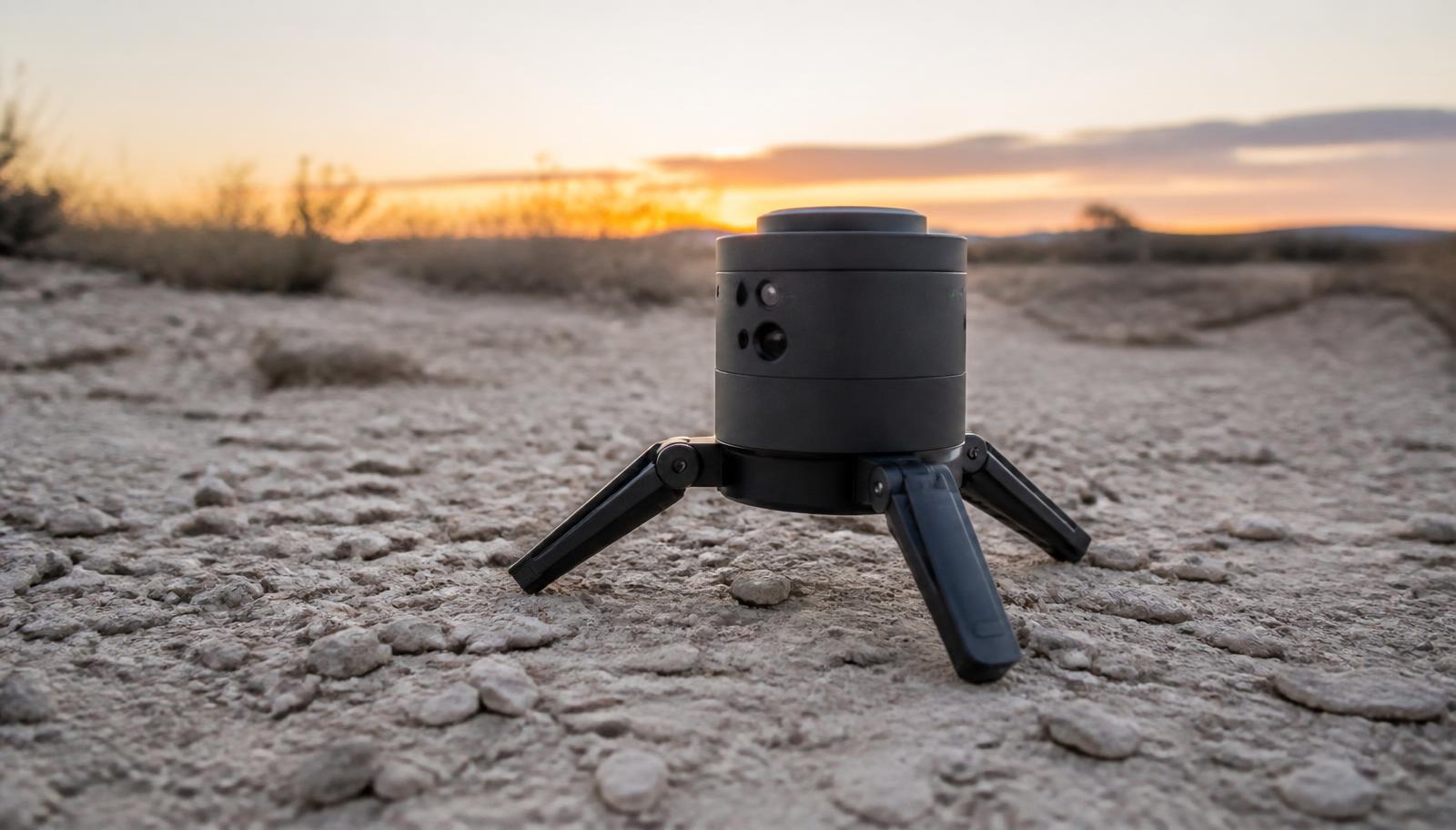
A Pointer sensor pod deployed on caliche ground at dawn
POINTER POD — DEMONSTRATION DEPLOYMENT

03 / VENTED AND FLARED GAS

Gas that is detected doesn't get vented.

Start with the ledger: vented gas is product you already paid to lift and never sold. A thermal pass that finds a stuck hatch or a leaking dump valve pays for itself in recovered volume long before it touches a compliance obligation. Detection is also cheaper than a super-emitter investigation, which under EPA rules starts within five days of notification. Emissions fall as a consequence.

Tell us what you would want measured.

I OPERATE WELLS →